
Why Is Sustainable Solar Logistics Becoming Critical for Utility-Scale Solar Projects?
As utility-scale solar projects continue to grow in size and complexity, developers are paying increasing attention not only to how renewable energy is generated, but also to how solar components are transported, delivered, and installed.
Today, sustainable solar logistics has become a key factor in reducing the overall carbon footprint of photovoltaic projects. From manufacturing and transportation to final delivery on site, every stage of the supply chain can contribute to improving project sustainability.
For solar tracker suppliers and EPC contractors, optimizing logistics is no longer simply an operational decision. It has become a strategic opportunity to improve efficiency, reduce emissions, and support the broader objectives of the energy transition.
This vision is driving new approaches across the renewable energy industry, including innovative transportation strategies designed to maximize logistics efficiency while minimizing environmental impact.
Gonvarri Solar Steel Consolidates 350 TEUs Through a Green Maritime Operation
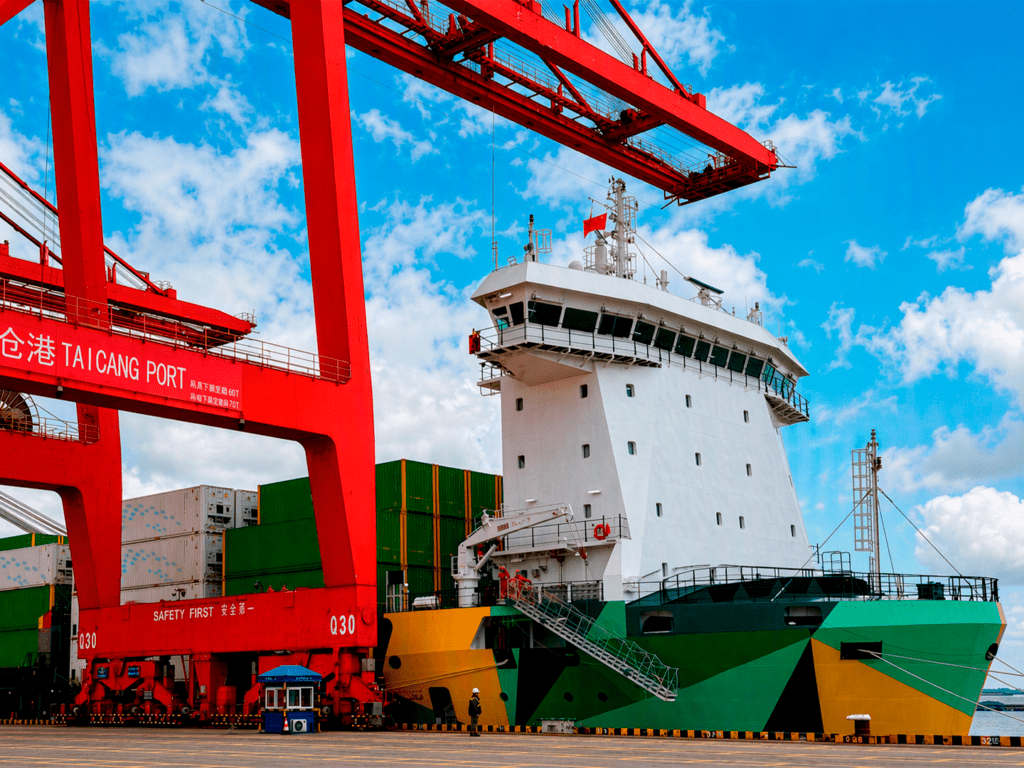
As part of its commitment to more sustainable operations, Gonvarri Solar Steel has consolidated the transportation of 350 TEUs destined for several solar tracker deliveries across Spain into a single next-generation vessel.
The shipment, scheduled to arrive at the Port of Alicante, will support multiple utility-scale photovoltaic projects currently under development throughout the country. Of the total cargo volume, 225 TEUs correspond to a single solar project, supplied entirely through this consolidated maritime operation.
By concentrating the shipment into a single transportation movement, Gonvarri Solar Steel continues to advance its strategy of optimizing solar project logistics, reducing intermediate handling requirements, improving operational efficiency, and lowering transportation-related emissions.
How Does Sustainable Solar Logistics Reduce Carbon Emissions?
One of the biggest opportunities for decarbonization within the solar industry lies beyond energy generation itself.
Modern solar project logistics can significantly reduce emissions through:
- Cargo consolidation.
- Optimized transportation routes.
- Reduced handling operations.
- Higher vessel efficiency.
- Improved port operations.
- Lower fuel consumption.
For this operation, Gonvarri Solar Steel selected a modern vessel equipped with advanced environmental technologies specifically designed to reduce the impact of maritime transportation.
The vessel includes:
- Methanol-ready capabilities for future low-carbon fuel adoption.
- Onshore Power Supply (OPS) connectivity.
- Advanced navigation optimization systems.
- Enhanced energy-efficiency performance.
These technologies improve overall transport efficiency while supporting the renewable energy industry’s commitment to decarbonization.
Up to 25% Lower CO₂ Emissions Through Smarter Shipping
According to operational estimates, the combination of cargo consolidation and advanced vessel technologies will allow Gonvarri Solar Steel to reduce transportation-related CO₂ emissions by up to 25% compared to conventional shipping operations using older-generation vessels.
In addition to carbon reductions, the operation is expected to significantly decrease:
- Nitrogen oxide emissions (NOx).
- Sulfur oxide emissions (SOx).
- Particulate matter emissions.
This demonstrates how sustainable solar logistics can contribute directly to environmental objectives while maintaining delivery reliability and operational performance.
Why Logistics Matters in Utility-Scale Solar Projects
The growth of utility-scale solar projects has transformed logistics into a strategic component of project success.
Large photovoltaic plants require the transportation of thousands of components across multiple countries and continents. As projects continue to scale, efficient solar project logistics become essential for maintaining construction schedules, controlling costs, and minimizing environmental impact.
For developers and EPCs, optimized logistics delivers multiple benefits:
- Faster project execution.
- Reduced transportation costs.
- Improved supply chain visibility.
- Lower carbon footprint.
- Greater operational efficiency.
- Enhanced project sustainability.
These advantages are becoming increasingly important as investors and customers place greater emphasis on ESG criteria and sustainable supply chain practices.
Sustainability Across the Entire Solar Value Chain
At Gonvarri Solar Steel, sustainability extends beyond the products themselves.
The company continues to incorporate sustainability principles throughout every stage of the project lifecycle, including:
Design and Engineering
Developing solar tracker solutions optimized for performance, durability, and resource efficiency.
Manufacturing
Leveraging the industrial capabilities of Gonvarri Industries to improve operational efficiency and support responsible production practices.
Transportation and Logistics
Implementing sustainable solar logistics strategies aimed at reducing emissions and improving supply chain performance.
Project Delivery
Ensuring reliable and efficient support for utility-scale solar projects worldwide.
This holistic approach enables the company to reduce environmental impact while maintaining the quality and reliability expected by developers and EPCs.
The Future of Sustainable Solar Logistics
The future of renewable energy depends not only on clean electricity generation but also on cleaner supply chains.
As utility-scale solar deployment accelerates worldwide, sustainable solar logistics will play an increasingly important role in reducing emissions associated with project development.
Innovative transportation strategies, advanced shipping technologies, cargo optimization, and supply chain efficiency will continue to help the solar industry move toward a lower-carbon future.
Through initiatives such as this consolidated green maritime operation, Gonvarri Solar Steel demonstrates that logistics innovation can become a powerful tool for improving sustainability, supporting project efficiency, and reinforcing the industry’s broader decarbonization goals.
FAQ
Why did Gonvarri Solar Steel use a single vessel for this shipment?
Consolidating 350 TEUs into a single maritime operation improves logistics efficiency, reduces intermediate movements, lowers transportation emissions, and optimizes the solar project supply chain.